Business
Online Divorce Guide: Forms, Filing Steps & Free Divorce Papers (2026)
Learn how online divorce works in 2026. Get free divorce papers templates, filing steps, legal requirements, common mistakes, and FAQs for uncontested cases.
Getting divorce papers online sounds simple — until the court sends them back.
The form may be outdated. Your county may require an extra cover sheet. The papers may be filled out correctly, but served the wrong way. Small paperwork mistakes can slow down even a simple uncontested divorce.
This guide shows how online divorce works in the U.S. You’ll see which forms you may need, where to find free divorce papers, and what to check before you file.
TL;DR
Online divorce is mostly about preparing the right papers. Filing and approval still happen through the court.
If both spouses agree, the process is usually simpler. If there are disputes, online forms may not be enough.
Your state is not the only thing that matters. County rules, local forms, filing fees, and service rules can change what you need.
Free divorce papers can work well, but only if they match your situation. A no-children packet, a parenting case, and a default divorce do not use the same form set.
The safest move is to check the packet before filing. Current forms, signatures, attachments, and proof of service are the details that often decide whether the court accepts it.
You Might Also Like:
Is Online Divorce Right for Your Situation?
Online divorce works best when the divorce is already mostly agreed. It can help you prepare forms and organize the terms. But it cannot make your spouse cooperate. It also cannot solve a fight over property, custody, support, or hidden money.
Before you start, ask one question: are you using online tools to document an agreement, or to fix a conflict? If the agreement is already there, this route can save time. If the conflict is still open, forms alone will not do enough.
Question | If yes | If no |
|---|---|---|
Do you both want the divorce to move forward? | This process may be a good fit. | You may need legal guidance before preparing forms. |
Do you agree on property and debts? | Put the terms into a written settlement. | Do not guess. Property mistakes can be hard to fix later. |
Do you agree on parenting and support? | You can organize the terms into parenting and support paperwork. | A court or lawyer may need to help resolve the dispute. |
Is the financial picture simple? | Online forms may be enough for the paperwork. | Complex assets, business interests, or retirement accounts need extra care. |
Is everyone signing freely? | A DIY process may work. | Pressure, fear, or safety concerns are a warning sign. |
Do you understand what you are agreeing to? | You can move to the paperwork stage. | Get legal advice before signing anything final. |
In other words, online divorce is strongest when the agreement already exists.
For example, an online tool may help a couple write down who keeps the car, who pays a credit card, and how parenting time will work. But if one spouse is hiding income, refusing to discuss debt, or pressuring the other to sign, the problem is not the form. The problem is the missing agreement.
Preparing Forms Online vs Filing Them With the Court
Preparing divorce forms online is not the same as filing them with the court. An online tool may help you create the packet, but that does not always mean your case has started.
Preparation happens before the court is involved. You answer questions, fill out forms, download PDFs, or print a draft packet. Filing starts only when the court receives your documents, accepts the required fee or fee waiver, and adds the papers to your case.
This difference matters because some tools stop at preparation. For example, Illinois Legal Aid explains that its Divorce Easy Form helps people make divorce forms, but it does not e-file them. Users still need to download the forms and follow the filing instructions.
The same check matters with paid services. Some services only prepare forms. Others may give filing instructions. A few may offer filing help for an extra fee. Before you pay, check what the service actually does: prepare, guide, or file.
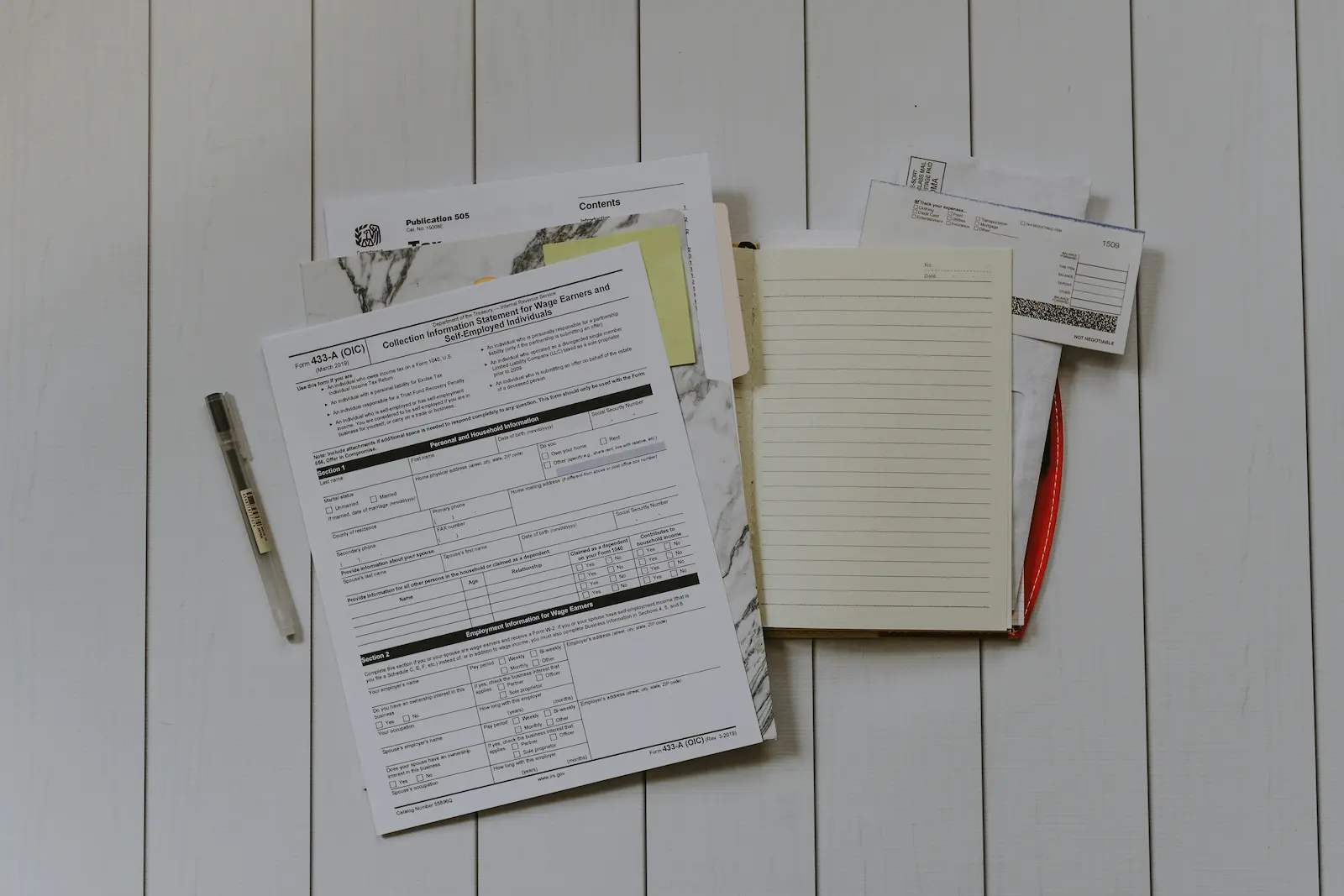
Types of Divorce: Choose Your Filing Path First
Before choosing forms, decide what is already agreed and what still needs to be resolved. Your filing path depends on whether the divorce is uncontested, involves children, moves forward by default, or remains contested.
Uncontested divorce with no children is usually the simplest option. Both spouses agree to end the marriage and have clear terms for property, debts, and support. The agreement should be specific enough for the court to understand and enforce.
Uncontested divorce with children also requires agreement, but the paperwork must be more detailed. The court needs clear terms for parenting time, child support, expenses, transportation, holidays, and decision-making. Friendly language like “we will share time fairly” may not be enough.
Default divorce may apply when one spouse files, properly serves the other spouse, and the response deadline passes. The case can move forward, but the court still reviews the paperwork. If service was not done correctly, the divorce may be delayed.
Contested divorce means at least one major issue is still unresolved, such as property, debt, custody, or support. Online forms may help start the case, but they cannot settle the dispute. Serious disagreements may require negotiation, mediation, court hearings, or legal advice.
State and County Rules: What Can Change
Online divorce rules are not the same everywhere in the U.S. The main steps may look similar. But the details can change by state, county, and court.
State | What is different | What it means for you |
|---|---|---|
California | California uses statewide divorce forms. But some courts also require local forms. E-filing works only if your court allows it. | Check the state forms and your county court page. |
New York | NY CourtHelp separates uncontested divorce paths by children. No children under 21 may fit the DIY program. Children under 21 usually means a paper packet. | Choose the path by family situation. |
Illinois | Illinois Legal Aid’s Divorce Easy Form helps create divorce forms. It does not e-file them. | Do not assume a form tool files the case. |
Tennessee | Tennessee Courts limits its approved forms to agreed divorces. It also separates “NO KIDS” and “WITH KIDS” packets. Some property issues may not fit. | Check if the packet fits before using it. |
Texas | TexasLawHelp separates divorce guides by situation. It has different paths for no minor children, children under 18, and SAPCR issues. | Pick the guide that matches your children and custody situation. |
Florida | Florida Courts lists different dissolution forms. These include simplified and regular dissolution options. | Do not assume one Florida form fits every case. |
Washington | Washington Courts provides statewide forms. But local courts may require extra forms. Washington LawHelp also points users to county filing steps. | Use state forms. Then check local court rules. |
What Should Your Online Divorce Packet Include?
An online divorce packet should not be just a pile of forms. It should cover each job the court expects your paperwork to do.
A good packet should:
start the case;
notify the other spouse;
explain money, property, support, or parenting;
give the judge a final document to sign.
Form names vary by state. Still, most packets use the same basic logic. California Courts shows this in its divorce form guide: many people starting a divorce use Petition — Marriage/Domestic Partnership (FL-100) and Summons (FL-110). Extra forms may be needed for children, fee waivers, or temporary orders.
Filing path | Core documents to look for | Check before filing |
|---|---|---|
Agreed divorce with no children | Petition for Dissolution of Marriage or Complaint for Divorce; Summons; Financial Disclosure Statement; Marital Settlement Agreement; proposed Final Judgment or Divorce Decree | Property, debts, and support terms are clear. |
Agreed divorce with children | Petition for Dissolution of Marriage or Complaint for Divorce; Summons; Parenting Plan; Child Support Worksheet; Financial Disclosure Statement; Marital Settlement Agreement; proposed Final Judgment or Divorce Decree | Parenting time, support, insurance, and expenses are specific. |
Default divorce | Petition or Complaint; Summons; Proof of Service or Affidavit of Service; Request to Enter Default; financial forms; proposed Final Judgment or Divorce Decree | Service and response deadlines are correct. |
Contested divorce | Petition or Complaint; Summons; Response or Answer; Financial Disclosure Statement; Motion for Temporary Orders; proposed orders | The forms start the case. They do not settle the dispute. |
Before you file, ask: does this packet give the court enough to act? If not, do not add random forms. Find the missing stage.
Online Divorce Process: Step-by-Step
Step 1. Check if your case still fits the DIY route
Before filing, pause and check the situation again. Are the main terms still agreed? Are property, debts, support, and parenting clear? Has anything changed since you started preparing the forms?
If a new conflict appears, pause before filing and consider whether you need legal help or mediation.
Step 2. File the case
Filing is the step that starts the court case. The court receives your papers, collects the filing fee or fee waiver request, and gives you a case number.
If you used an online tool, follow the filing instructions carefully and confirm that the court has accepted your papers.
Step 3. Serve your spouse
After filing, your spouse usually must receive legal notice. This is called service. The court needs proof that the other spouse had a chance to respond.
Follow your court’s service rules and keep the required proof of service.
Step 4. Wait for the next response
After service, the other spouse may respond, sign agreement papers, or do nothing. Each path leads to a different next step.
Do not skip the waiting period. The court usually needs proof that the deadline passed, the spouse responded, or the agreement is complete.
Step 5. Complete disclosures and final terms
The court needs enough information to review the result. This may include financial disclosures, property and debt terms, support terms, and parenting details.
For example, California Courts explains that spouses must share financial information in every divorce or legal separation. The financial documents are shared with the spouse, while a disclosure form tells the court the step was completed.
Make sure the final terms match the financial disclosures and the documents already filed.
Step 6. Submit the final papers
Once the required steps are complete, you ask the court to finalize the divorce. The court reviews the final packet. If something is missing, unclear, or inconsistent, it may ask for corrections.
Your final papers should match the rest of the case. Do not let the settlement say one thing and the proposed decree say another.
Common Mistakes That Delay or Get Divorce Papers Rejected
The risky part is that many mistakes look small until the court reviews the packet. A missed signature, wrong service step, or unclear settlement term can turn into a correction request.
1. Using an old or wrong form
A form can look fine and still be outdated. Courts may change form numbers, revision dates, instructions, or required attachments. This often happens when someone downloads a packet, waits a few months, and files it later.
How to prevent it: download the forms again before filing. Use the version linked from the court website. Check the form date, form number, and instructions before you sign anything.
2. Filing an incomplete packet
A packet can be stopped because of one missing detail. It may be a blank required field, missing signature, missing attachment, fee waiver issue, or document that was mentioned but not included.
How to prevent it: review the packet as one full set. If a form says “see attached,” make sure the attachment is there. If a signature line exists, check who must sign it and whether it needs notarization.
3. Serving papers the wrong way
Service is not just sending documents. The court needs proof that the other spouse was notified in the required way. If service is wrong, the case can stall even when the forms are filled out correctly.
For example, New York Courts explains that divorce papers must usually be served within 120 days after filing. The person serving them must also be at least 18.
How to prevent it: read your court’s service rules before serving anything. Do not assume that email, text, regular mail, or handing papers over yourself is enough.
4. Writing vague settlement terms
A settlement should tell the court exactly who does what. Vague wording can create delays now and conflict later.
How to prevent it: name the asset, debt, account, payment, deadline, and responsible person. If someone must transfer property, refinance a loan, or make a payment, say when and how.
Weak wording:
We will divide our debts fairly.
Better wording:
Spouse A will pay the Visa card ending in 4821. Spouse B will pay the auto loan ending in 1190.
5. Leaving financial information incomplete
Financial disclosure is not just extra paperwork. It can affect property division, support, and the court’s trust in the final agreement. Missing accounts, debts, income, or business interests can create serious problems.
Real case note: In In re Marriage of Feldman, a California divorce case, the court ordered sanctions and attorney fees after financial information was not properly disclosed. The lesson is simple: incomplete financial disclosure can become expensive.
How to prevent it: organize income, expenses, bank accounts, debts, property, retirement accounts, and business interests early. Make sure the settlement matches the financial information.
6. Letting documents contradict each other
Courts review the packet as one story. Problems appear when one form says one thing and another says something different. For example, the settlement may waive spousal support, while the proposed decree leaves support open.
How to prevent it: compare names, dates, addresses, property values, debt amounts, support terms, and parenting details across the full packet. Fix conflicts before filing.
Helpful Online Services for Preparing, Filing, and Managing a Divorce
Online divorce often involves more than one tool. Some services help you prepare forms. Others help with filing, notarization, service of process, co-parenting, or legal questions.
The best option depends on what step you are trying to complete — preparing documents, filing with the court, serving papers, signing forms, or managing parenting communication after the case begins.
AI-Based Templates and Drafting Help
AI Lawyer

AI Lawyer offers legal templates and AI-powered drafting support for divorce-related documents, affidavits, letters, and other legal paperwork.
It can be useful when you need a first draft or want to organize your information before reviewing court-specific requirements.
Best for: preparing an initial draft.
Check first: whether the final document matches your state, county, and court rules.
Official, Free Form Generation
LawHelp Interactive
LawHelp Interactive offers guided interviews that help users create legal forms for their state. Instead of filling out blank forms manually, you answer questions step by step and receive completed documents.
In some areas, the tool may also connect users with e-filing options.
Best for: free, court-focused form preparation.
Check first: whether your state and case type are supported.
“All-in-One” Online Divorce Services
Hello Divorce

Hello Divorce offers DIY divorce tools, legal support, and mediation options. It is designed for people who want a more guided process, especially in amicable or mostly agreed divorces.
The service may help users organize terms, prepare documents, and understand next steps.
Best for: couples who want structured help beyond basic forms.
Check first: whether your case is simple enough for a guided online process.
3StepDivorce

3StepDivorce helps users prepare forms for uncontested divorces. It works best when both spouses already agree on the main issues, such as property, debts, support, and parenting terms.
The service also provides filing instructions.
Best for: uncontested divorces with clear agreement.
Check first: whether court filing fees, service, or notarization are included separately.
Court Filing and E-Filing Systems
eFileMA
eFileMA is an online filing portal for Massachusetts Probate and Family Court cases. It allows users to submit documents online and track filing status.
This type of service is not a divorce form generator. It is mainly used after your documents are ready.
Best for: filing documents in supported Massachusetts courts.
Check first: whether your court accepts the specific filing online.
TurboCourt

TurboCourt helps users prepare and file forms online in supported courts. Availability depends on location and court participation.
It may be useful when your court accepts filings through the platform.
Best for: court-specific online preparation and filing.
Check first: whether TurboCourt is available for your county and case type.
Service of Process
One Legal

One Legal offers e-filing and service of process in supported states. It can help users file documents and arrange delivery of court papers to the other spouse.
This can be useful because divorce papers usually must be served according to court rules.
Best for: combining filing support with professional service.
Check first: whether One Legal supports your state, county, and type of case.
Notarization and Signatures
NotaryLive

NotaryLive offers remote online notarization for documents that require a notary. This may help with affidavits, agreements, or other divorce-related paperwork.
Best for: notarizing documents without visiting a notary in person.
Check first: whether your court accepts remote online notarization.
OneNotary

OneNotary also provides online notarization services. Users can meet with a commissioned notary remotely and complete eligible notarizations online.
Best for: quick online notarization.
Check first: whether your document is eligible for remote notarization in your state.
Co-Parenting, Schedules, and Communication
OurFamilyWizard

OurFamilyWizard is a co-parenting platform with messaging, calendars, expense tracking, and payment tools. It helps parents keep communication organized and documented.
Best for: parents who need a clear record of communication and shared responsibilities.
Check first: whether both parents are willing or required to use the platform.
Custody X Change

Custody X Change helps parents create parenting schedules, calculate parenting time, and build visual calendars. These schedules can be useful when preparing parenting plans or explaining time-sharing arrangements.
Best for: building detailed parenting schedules.
Check first: whether your court has specific parenting plan requirements.
TalkingParents

TalkingParents is a co-parenting communication tool that keeps records of messages, shared calendars, and calls. It is often used when parents need documented communication.
Best for: keeping a clear communication history.
Check first: whether the platform’s records are accepted or useful in your court.
Limited-Scope Legal Advice
Avvo

Avvo helps users ask legal questions and search for lawyers. It may be useful when you need quick guidance or want to compare family law attorneys.
Best for: finding legal information or locating an attorney.
Check first: whether the answer applies to your state and exact situation.
What Happens After the Divorce Decree?
After the court signs and enters the final judgment or divorce decree, the next step is keeping the right copies for future use.
A divorce decree is the court order that ends the marriage. It also records the final terms. These may include property division, debts, spousal support, custody, parenting time, and child support. USA.gov explains that a divorce decree is used when you need help enforcing the terms of a divorce, such as property division, alimony, custody, visitation, or child support.
Once the decree is signed, keep a clean copy. You may need it later for:
name changes;
banking or benefits;
property transfers;
retirement accounts;
immigration files;
proof that the divorce is final.
There is also a difference between a regular copy and a certified copy. A certified copy has an official stamp or seal. It is often required for formal updates. USA.gov says you usually request a copy from the clerk of the county or city where the divorce was finalized.
Do not wait until you urgently need proof. After the divorce is final, ask the clerk how to get certified copies. Save one digital copy for your records and keep certified paper copies in a safe place.
FAQ
Q: Can I use online divorce papers if my spouse lives in another state?
A: Usually, yes. But you still need to file in the right court and serve your spouse in an approved way. Do not assume email, text, or regular mail is enough.
Q: What if my spouse refuses to sign the divorce papers?
A: Refusal to sign does not always stop the case. After proper service, the case may move toward default or become contested if your spouse responds and disagrees.
Q: Can I change my name during the divorce?
A: Often, yes. Many states let you request a return to a former name in the divorce judgment. USA.gov explains that this can usually be done when applying for the divorce decree.
Q: Do online divorce services include court filing fees?
A: Often, no. Check whether the quoted price includes court fees, service, notarization, certified copies, or filing help.
Q: What if the court asks me to correct my divorce papers?
A: Read the correction notice and fix the exact issue listed. It may be a missing signature, wrong form, missing attachment, or inconsistent information. Do not resubmit the same packet unchanged.
Q: Is a divorce decree the same as a divorce certificate?
A: No. A divorce decree contains the court’s final terms. A divorce certificate is usually a shorter record that proves the divorce happened. For enforcement, you usually need the decree.